Skip to content
About Us
Health + Wellness
Lifestyle
Medical
Supplements
Recommended Treatments
About Us
Health + Wellness
Lifestyle
Medical
Supplements
Recommended Treatments
Health + Wellness
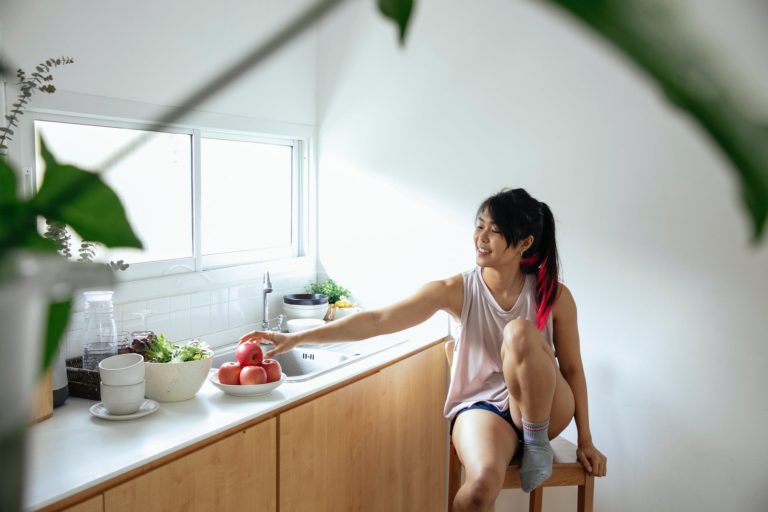
5 Habits for a Strong, Healthy Mind and Body
By Russell Carpenter
This Just In
Supplements
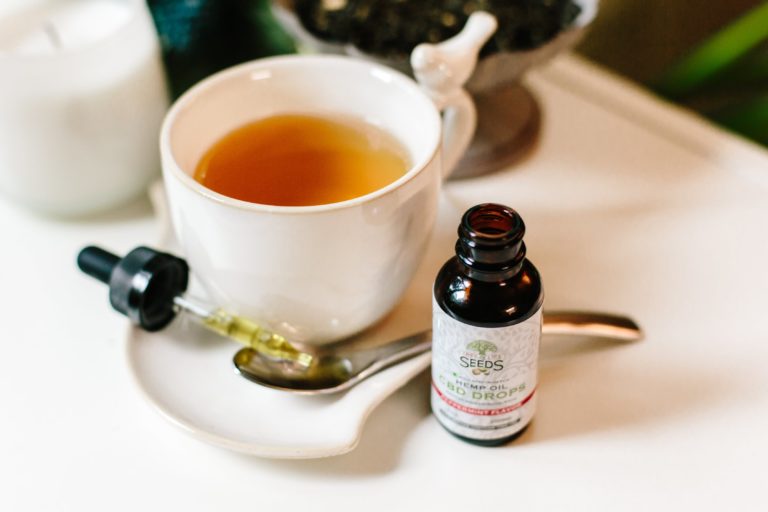
Making CBD a Part of Your Health Routine
By Geneva White
Supplements
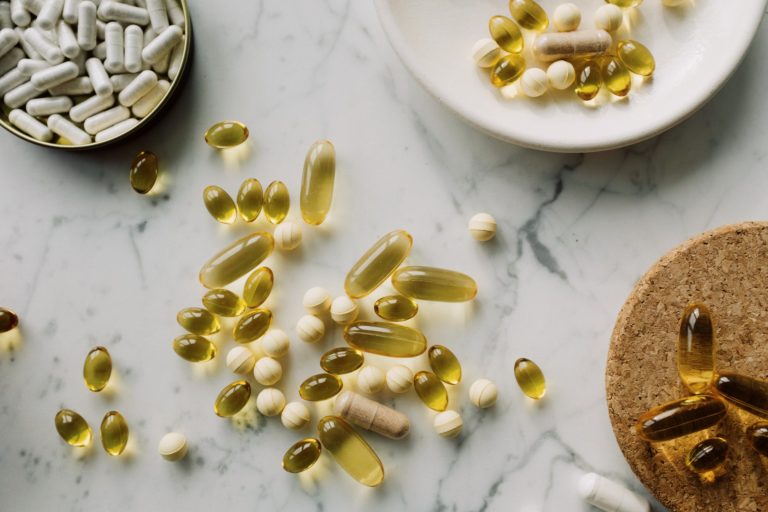
Natural Sleep Aid: Top 5 Supplements
By Geneva White
Health + Wellness
Motivation and Mental Health
By Dianne Medina
Lifestyle
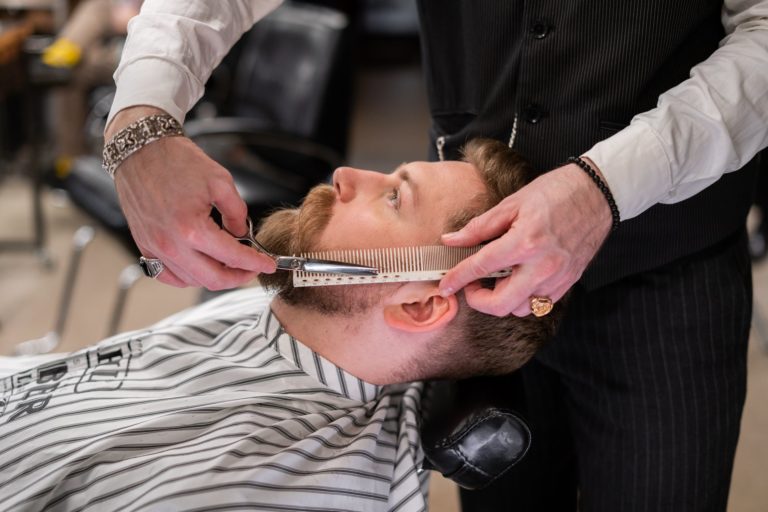
Grooming and Lifestyle Tips That’ll Take Years Off Your Looks
Medical
Everything You Need to Know About Flu Shots
Medical
What Are the Benefits of a Holistic Approach to Chronic Illness?
Explore by Category
Medical
Recommended Treatments
Supplements
Health + Wellness
Trending
Watch With Us
Supplements
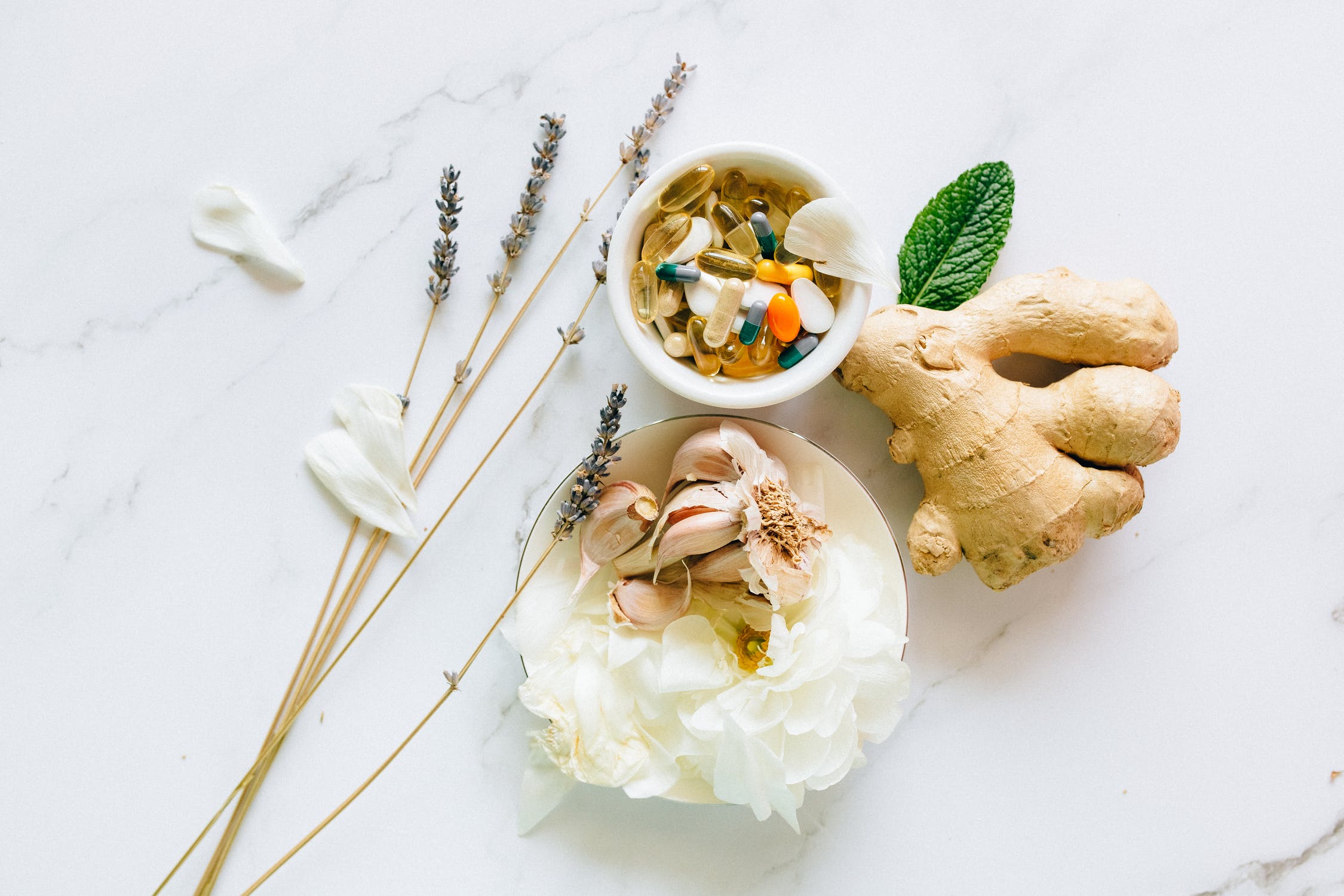
Do Natural Supplements Really Help?
By Angela Goodwin
Lifestyle
5 Things to Consider Before Starting a Family
By Russell Carpenter
Supplements
4 Unusual (All-Natural) Ways to Relieve Stress
By Alma Herrera
Health + Wellness
5 Tips for Staying Healthy at Work
Medical
5 Reasons Why It’s Important to Wear Sunscreen
Recommended Treatments
Why a Detox Spa Could Be What You Need
Best of
Health + Wellness
Health + Wellness
Top Home and Family Planning Tips
Health + Wellness
Finding the Right Insurance for Your Healthcare Needs
Health + Wellness
Tips for Preparing a New Home for Your Growing Family
About AtMedica
At AtMedica, we spend our days talking to and learning from the most interesting people in wellness—experts, thought-leaders, and celebrities. Know more about usand our mission.
MORE ABOUT US
Bookmark This
This Week's Must Reads
Medical
How Seniors Can Save on Healthcare
Medical
Essential health checks for teens
Recommended Treatments
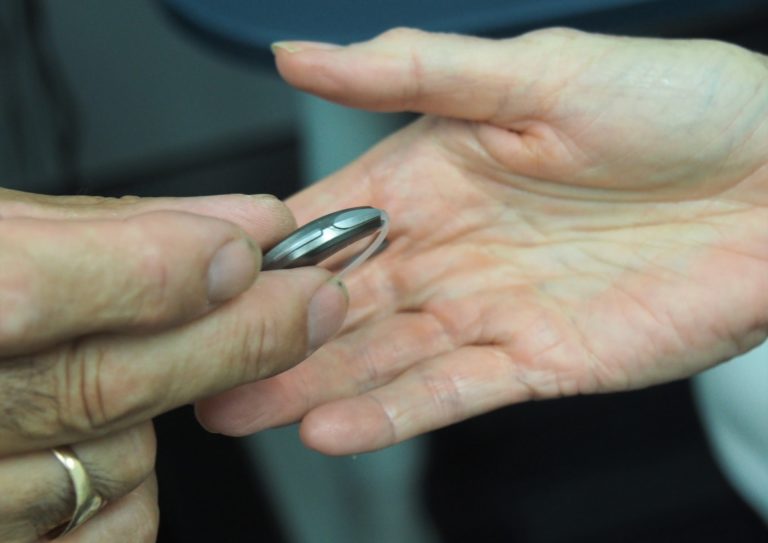
Common Medical Devices Covered Under Health Insurance
Medical
Careers for Health Enthusiasts
By Alma Herrera
What Our Editors Are Loving Right Now
Medical
How To Determine What Stage of Menopause You’re In
By Dexter McLaughlin
Lifestyle
How to Choose Gifts for a Family Member With Alzheimer’s
By Angela Goodwin
Recommended Treatments
Tips for Making Your Home a Place of Healing
By Dexter McLaughlin
Explore
All Stories
Health + Wellness
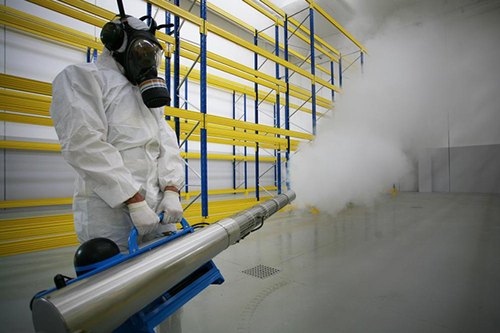
Why Container Fumigation Is So Important
Medical
Why New Mothers Should Consider Life Insurance
Medical
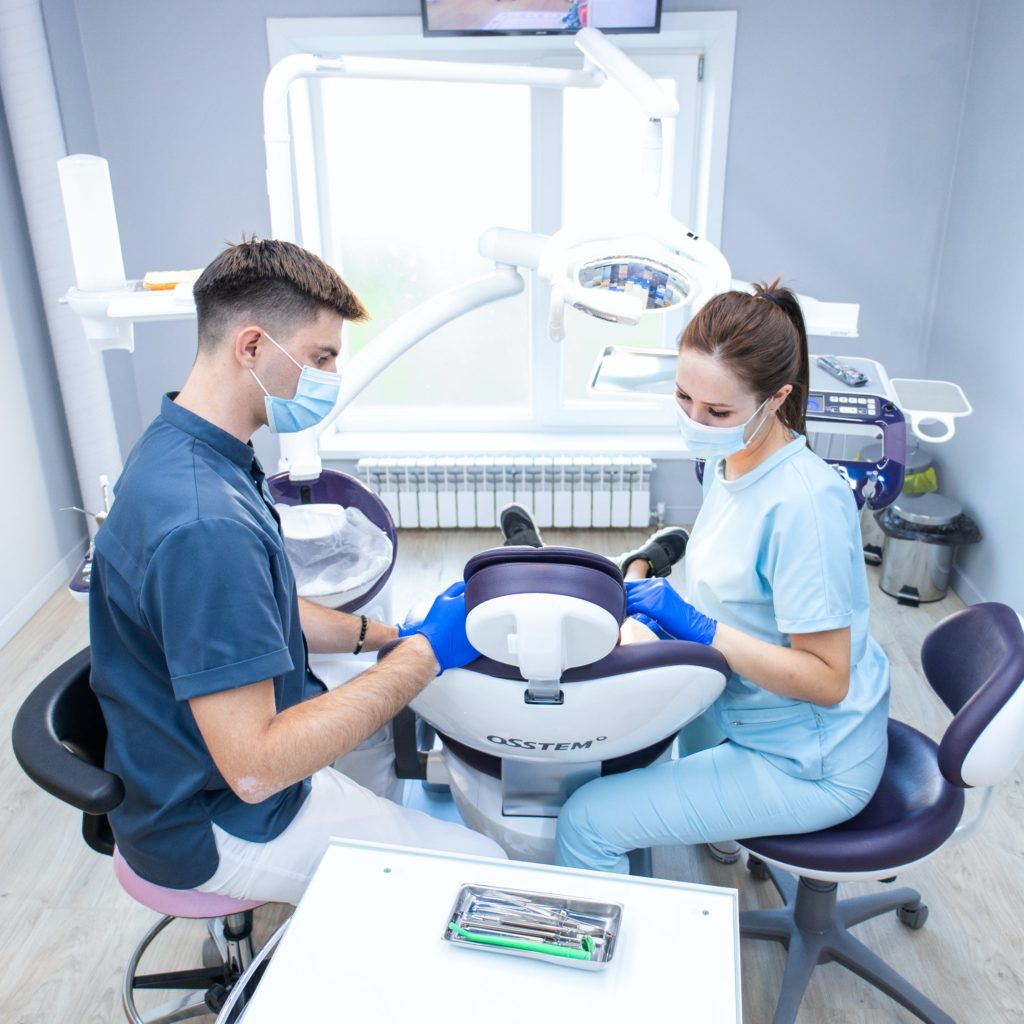
6 Ways to Make the Best of Your Doctor’s Appointment
Lifestyle
5 Reasons Why You Shouldn’t Text While Driving
Medical
How to Become a Medical Secretary: A Step-by-Step Guide
Health + Wellness
Ambulance Coverage By State
Search
Search