You left the venue buzzing with energy, ears ringing from an incredible show. That muffled, underwater feeling seemed like a normal part of the concert experience. But it’s been three days now, and that ringing hasn’t stopped. Your hearing still feels dulled, like you’re experiencing the world through cotton.

This is the moment when many music lovers first realize that what seemed like a temporary inconvenience might actually be permanent damage. The truth about concert-induced hearing loss is sobering: what starts as a fun night out can end with irreversible changes to your auditory system.

What Actually Happens to Your Ears During a Concert

Concert volumes regularly reach 100-120 decibels—comparable to a chainsaw or ambulance siren. Sustained exposure to sounds above 85 decibels can cause permanent hearing damage.

Inside your inner ear, approximately 15,000 hair cells detect sound vibrations and convert them into electrical signals. These hair cells are delicate and non-renewable—once damaged or destroyed, they don’t regenerate.

When exposed to loud music, several things happen:

Temporary Threshold Shift: Immediately after loud noise exposure, your hearing sensitivity temporarily decreases. The hair cells are fatigued and swollen. For many people, this resolves within 16-48 hours.

Tinnitus (Ringing in the Ears): That persistent ringing, buzzing, or humming occurs when damaged hair cells send false signals to your brain. Post-concert tinnitus can be temporary or permanent depending on damage severity.

Permanent Threshold Shift: With repeated exposure or a single extremely loud event, hair cells become permanently damaged or die. The damage is cumulative.

Hidden Hearing Loss: Recent research has identified “hidden hearing loss” where the auditory nerve fibers connecting hair cells to the brain become damaged even when hair cells appear intact. This creates difficulties understanding speech in noisy environments despite normal hearing test results.
The insidious nature of noise-induced hearing loss is that it’s painless and gradual. Hearing damage accumulates silently until you suddenly realize conversations have become difficult.

The 48-Hour Rule: When Temporary Becomes Permanent

If your hearing and the ringing don’t return to baseline within 48-72 hours after noise exposure, you’ve likely sustained permanent damage.

Normal Recovery Pattern:

  • Immediate post-concert: Muffled hearing, moderate to loud ringing
  • 6-12 hours: Slight improvement, ringing may decrease
  • 24 hours: Noticeable improvement, hearing closer to normal
  • 48-72 hours: Complete or near-complete return to baseline

Concerning Pattern:

  • 24 hours: Minimal improvement, ringing remains loud
  • 48 hours: Hearing still noticeably muffled, persistent ringing
  • 72+ hours: No significant improvement, ongoing symptoms

If you’re in the concerning category, immediate action is warranted.

Red Flag Symptoms That Require Immediate Attention

Sudden Hearing Loss: If you experience sudden, dramatic hearing loss in one or both ears, this is a medical emergency requiring treatment within 72 hours.

Vertigo or Dizziness: If your post-concert symptoms include room-spinning vertigo or balance problems, this suggests damage beyond just the cochlea.

Ear Pain or Discharge: While noise-induced hearing loss itself isn’t painful, ear pain, pressure, or any discharge could indicate eardrum perforation requiring urgent medical attention.

One-Sided Symptoms: If one ear is significantly worse than the other, this deserves immediate evaluation.

Tinnitus That Changes Pitch or Becomes Pulsatile: If your tinnitus matches your heartbeat or changes pitch dramatically, this warrants investigation.

The Permanent Impact: What Hearing Loss Actually Means Long-Term

Career and Earning Potential: Studies show untreated hearing loss is associated with reduced earning potential—up to $30,000 less in annual income.

Mental Health: Hearing loss significantly increases risk of depression, anxiety, and social isolation. When conversation becomes effortful, many people begin avoiding social situations.

Cognitive Decline: Recent research strongly links hearing loss to accelerated cognitive decline and increased dementia risk. The brain regions that process sound begin to atrophy when deprived of input.

Quality of Life: Beyond clinical outcomes, hearing loss affects daily enjoyment. Music sounds less rich. Conversations with loved ones become frustrating. Countless small sounds disappear.

The younger you are when hearing damage occurs, the longer you’ll live with these consequences.

Why “It’ll Be Fine” Is Dangerous Thinking

“I only go to a few concerts a year”: Even infrequent exposure can cause permanent damage. Damage is cumulative.

“Everyone’s ears ring after concerts”: Common doesn’t mean safe.

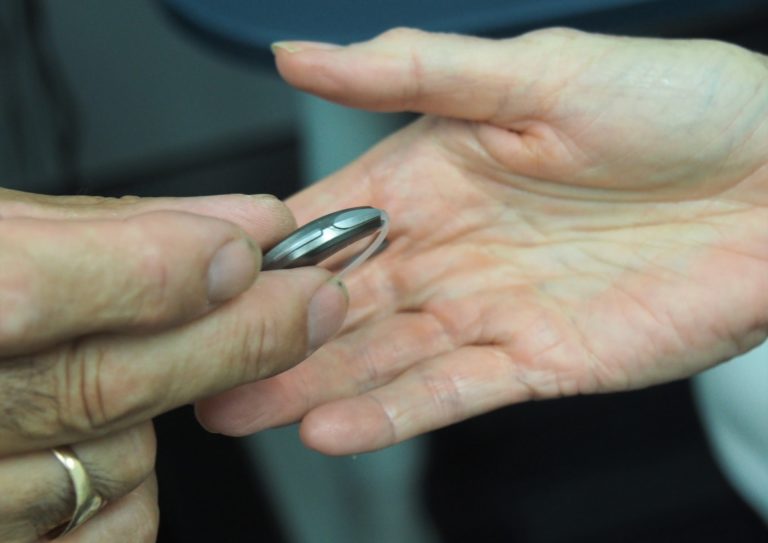
“Hearing aids can fix it later”: Hearing aids amplify sound but cannot restore the richness and clarity of natural hearing. Prevention is infinitely better than attempting compensation.

“I’m young and healthy, my hearing will recover”: Youth doesn’t protect against noise damage. Your ears don’t care how old you are—excessive noise causes damage regardless.

Practical Protection Strategies That Actually Work

1. Use High-Fidelity Ear Protection

Invest in quality musicians’ earplugs ($15-40) that reduce volume by 15-25 decibels without distorting sound. These maintain music quality while bringing dangerous volumes down to safer levels.

2. Position Yourself Strategically

Sound levels vary dramatically within venues. Avoid standing directly in front of speakers. The center of the venue often has better balanced sound at lower volumes.

3. Take Listening Breaks

During long concerts, periodically step outside or to quieter areas for 10-15 minutes. This gives your ears recovery time.

4. Limit Total Exposure Time

Duration matters as much as volume. A 2-hour concert at 100 decibels is less damaging than 4 hours at the same volume.

5. Rest Your Ears Between Events

After a concert, avoid additional loud noise exposure for 24-48 hours. Don’t attend another show the next day.

6. Monitor Your Symptoms

Pay attention to your hearing after events. If you’re consistently experiencing prolonged ringing, you’re sustaining damage and need to increase protection immediately.

When Professional Evaluation Is Essential

After Any Concerning Symptoms: If tinnitus persists beyond 72 hours or if hearing doesn’t return to baseline, seek evaluation immediately.

Establish a Baseline: Getting a baseline audiogram in your 20s or 30s provides a reference point for detecting future changes.

Regular Screening: If you regularly attend concerts or work in loud environments, annual hearing tests help detect early changes.

Before It’s a Problem: Proactive evaluation and concert hearing loss prevention strategies are far more effective than reactive treatment after damage occurs.

The Bottom Line: Your Future Self Will Thank You

The decision to protect your hearing or accept risk might seem insignificant in the moment. But hearing damage is cumulative and permanent. Each exposure without protection chips away at irreplaceable sensory cells you’ll need for the next 60+ years.

Consider this: would you willingly give up 20-30% of your vision to attend an event? That’s essentially what unprotected concert attendance risks for your hearing.

The good news is that prevention is simple, affordable, and doesn’t require sacrificing enjoyment. High-quality ear protection costs less than concert tickets and lasts for years.

Your ears are the only pair you’ll ever have. The teenage or twenty-something version of you might not fully appreciate this, but the 40, 50, 60-year-old version absolutely will. Protect them now, enjoy music fully for decades to come, and never have to regret that one concert that cost you your hearing.

The ringing will stop eventually—either because your ears heal from temporary damage, or because the damaged cells die completely and you lose the ability to hear those frequencies forever. Which outcome you experience depends largely on the choices you make right now.

Featured Collection

Search